
Recipe for a Healthy Waterway
Healthy waterways play a crucial role in maintaining ecological balance and supporting a thriving community.
When healthy, waterways can be biodiversity hotspots, support flood resilience, store carbon, and recycle nutrients. They also provide clean drinking water, recreational opportunities, and contribute to agricultural productivity and sustainable fishing industries in our region.
The health of a waterway depends on several key factors, including vegetation, water quality, water flow, connectivity and habitat availability.
Riparian vegetation along the edges of streams, rivers, and lakes—plays a vital role in maintaining waterway health by:
Stabilising banks and controlling erosion: Root systems hold soil in place, reducing sediment runoff and mobilisation.
Improving water quality: Plants filter out excess sediment, nutrients and pollutants from surface runoff.
Regulating water temperature: Shade from vegetation helps maintain cooler water, essential for aquatic life.
Providing habitat and connectivity: Vegetation offers shelter, food and movement corridors for wildlife.
Contributing organic matter: Leaves and other plant debris support aquatic food webs by supplying nutrients.
Regulate flood waters: Vegetation slows overland runoff and instream flow, reducing flood energy.
Good water quality typically includes:
Clarity and low nutrient levels: Water should be clear, with minimal suspended sediments and excess nutrients to prevent algal blooms.
Balanced pH levels: A stable pH, typically near neutral (around 7) for freshwater systems, is crucial for aquatic organisms and helps prevent the release of harmful substances like metals.
Cool temperatures and high oxygen levels: These conditions support aquatic life such as fish and macroinvertebrates.
Appropriate salinity: Salinity levels should match the natural conditions of the specific waterway, whether fresh, brackish, or saline.
No litter, odours, or microbial contamination: These are indicators of pollution and can pose risks to both wildlife and human health.
Absence of harmful substances: Water should be free from pesticides, oils, and industrial chemicals.
Healthy waterways rely on diverse and well-structured habitats to support a wide range of aquatic and terrestrial species. These habitats provide essential resources such as shelter, breeding grounds, and feeding areas.
Fallen trees and woody debris naturally enter waterways and create important habitat for fish, platypus, and macroinvertebrates. These structures offer protection, resting places, and foraging opportunities.
Large wood and rocks around wetlands serve as basking and shelter sites for frogs, helping them regulate temperature and avoid predators.
Vegetation and organic matter contribute to habitat complexity and support food webs by providing nutrients and cover.
Pools, riffles, and submerged structures enhance habitat diversity, allowing different species to thrive in various microenvironments.
Natural flow patterns are essential for maintaining habitat diversity and supporting the life cycles of aquatic and riparian species. Water flow—delivered with the right timing, frequency, duration, and volume—plays a critical role across rivers, wetlands, and estuaries by:
Providing refuge habitats during dry periods, especially in pools that sustain aquatic life.
Connecting floodplains, wetlands, and billabongs, supporting vegetation, frogs, fish, and bird populations.
Maintaining river structure and flushing sediment to improve habitat quality.
Triggering breeding and migration for species such as fish and birds through seasonal flow cues.
Connections between waterways, wetlands, floodplains, and surrounding landscapes are essential for allowing species to move, migrate, and access food, shelter, and breeding grounds. This ecological connectivity supports biodiversity and helps maintain resilient ecosystems.
However, man-made structures such as dams, reservoirs, weirs, culverts, and pipes can disrupt these natural connections. These barriers can:
Block fish passage, preventing access to critical habitats.
Fragment populations, reducing genetic diversity and resilience.
Interrupt migratory patterns, affecting breeding and feeding cycles.
Limit access to resources, such as food, refuge pools, and spawning areas.
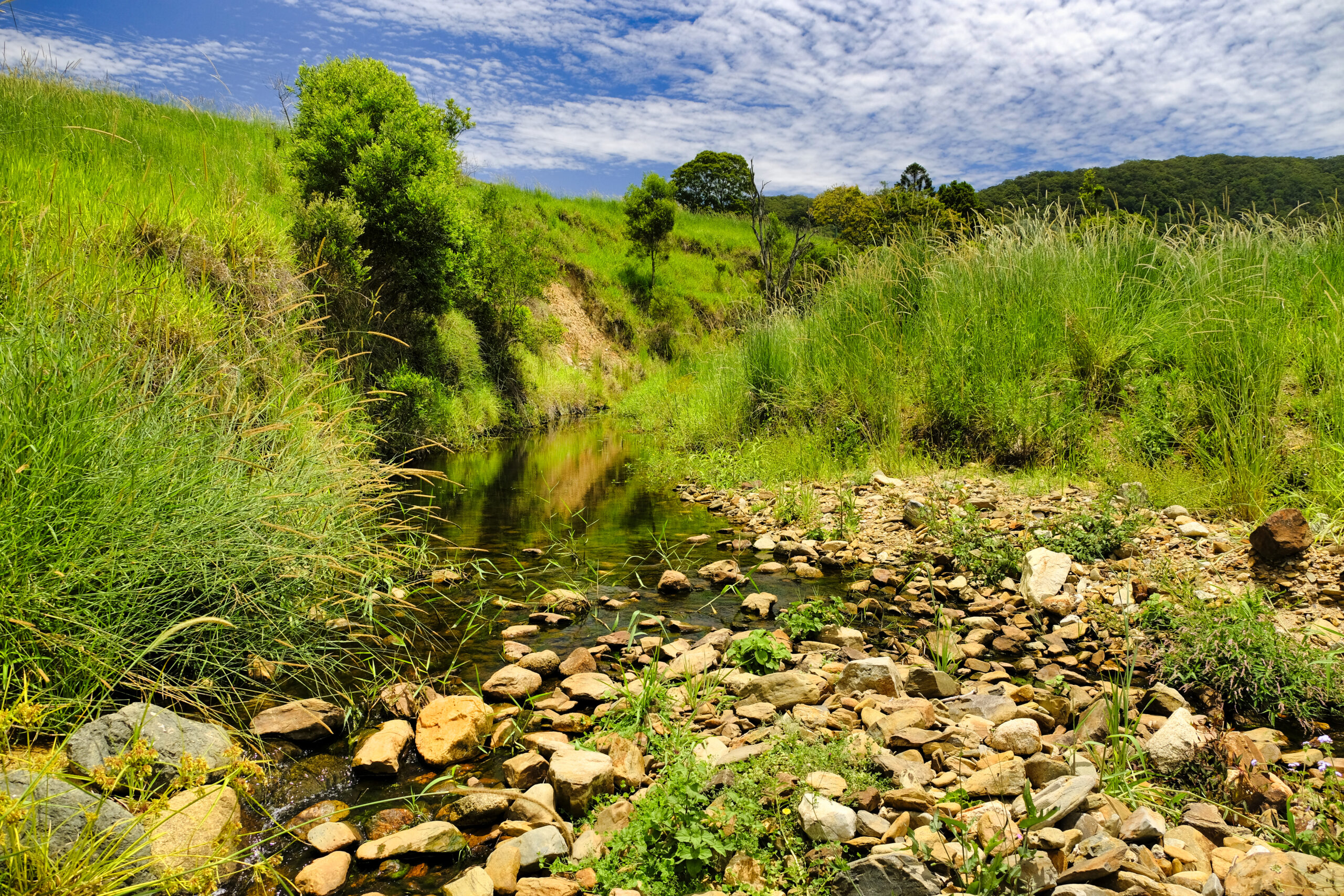
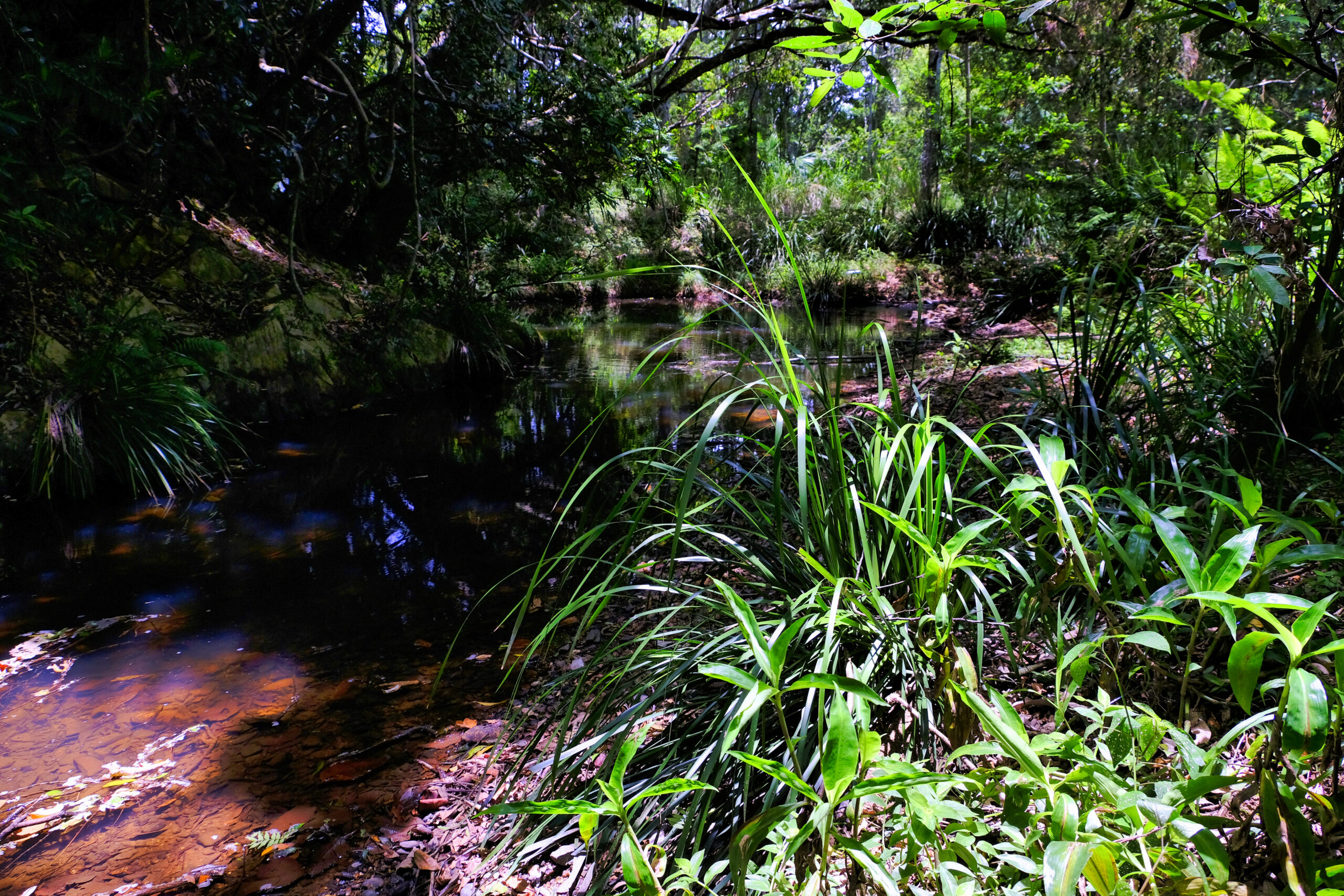
Assessing Waterway Condition
There are several ways to assess waterway condition, we recommend using this simple tool created by the Australian River Restoration Centre – the Stream Condition Checklist.
This checklist allows you to assess six features that affect whether a stream is healthy and in good condition including:
- 1Management of riparian areas
- 2
Bank erosion
- 3Shade and shelter
- 4
Water quality
- 5Wildlife
- 6Weeds and pests
This will identify whether your waterway is:
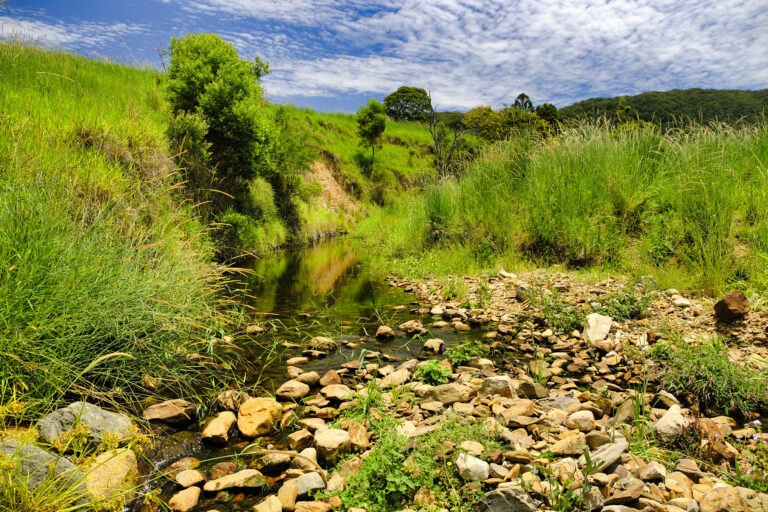
Poor Condition
Stream has many healthy features missing and degrading features present, like uncontrolled grazing, environmental weeds, and streambank erosion.
Stream will require significant changes to current management to return it to a healthy state.
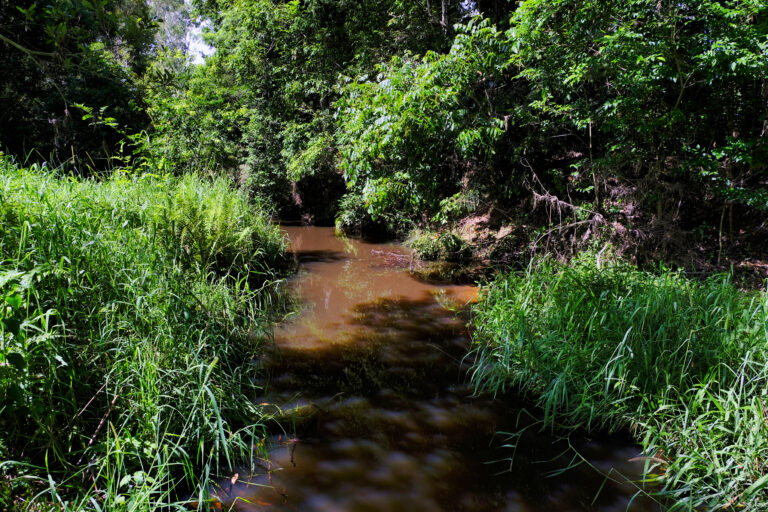
Moderate Condition
Stream has a number of healthy features missing and degrading features present, like uncontrolled grazing, environmental weeds, and streambank erosion.
Some changes in management needed to improve condition.
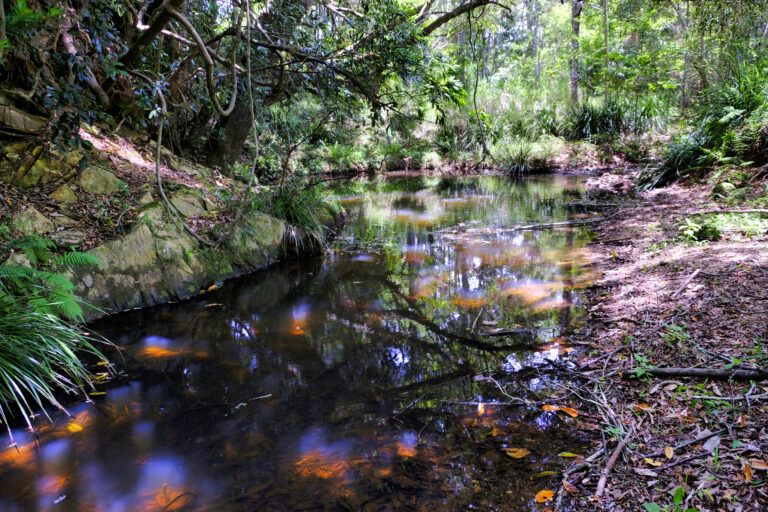
Good Condition
Waterway is in good condition and management should aim to maintain it in this state.
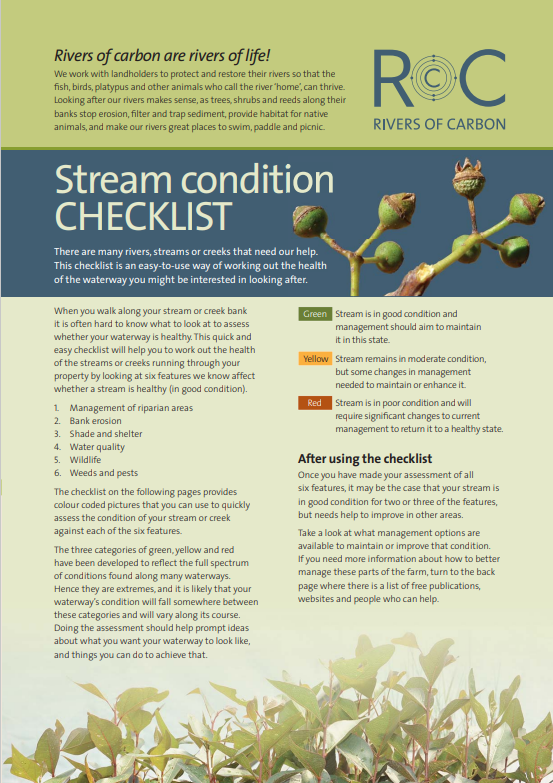
Using the Stream Condition CHECKLIST
Considerations for waterway restoration
Riparian zones are often degraded because of historical vegetation clearing, weed invasion, and livestock grazing. Effective restoration aims to create a stable waterway with well-vegetated banks. Below are a few factors you should consider when planning waterway restoration on your block.
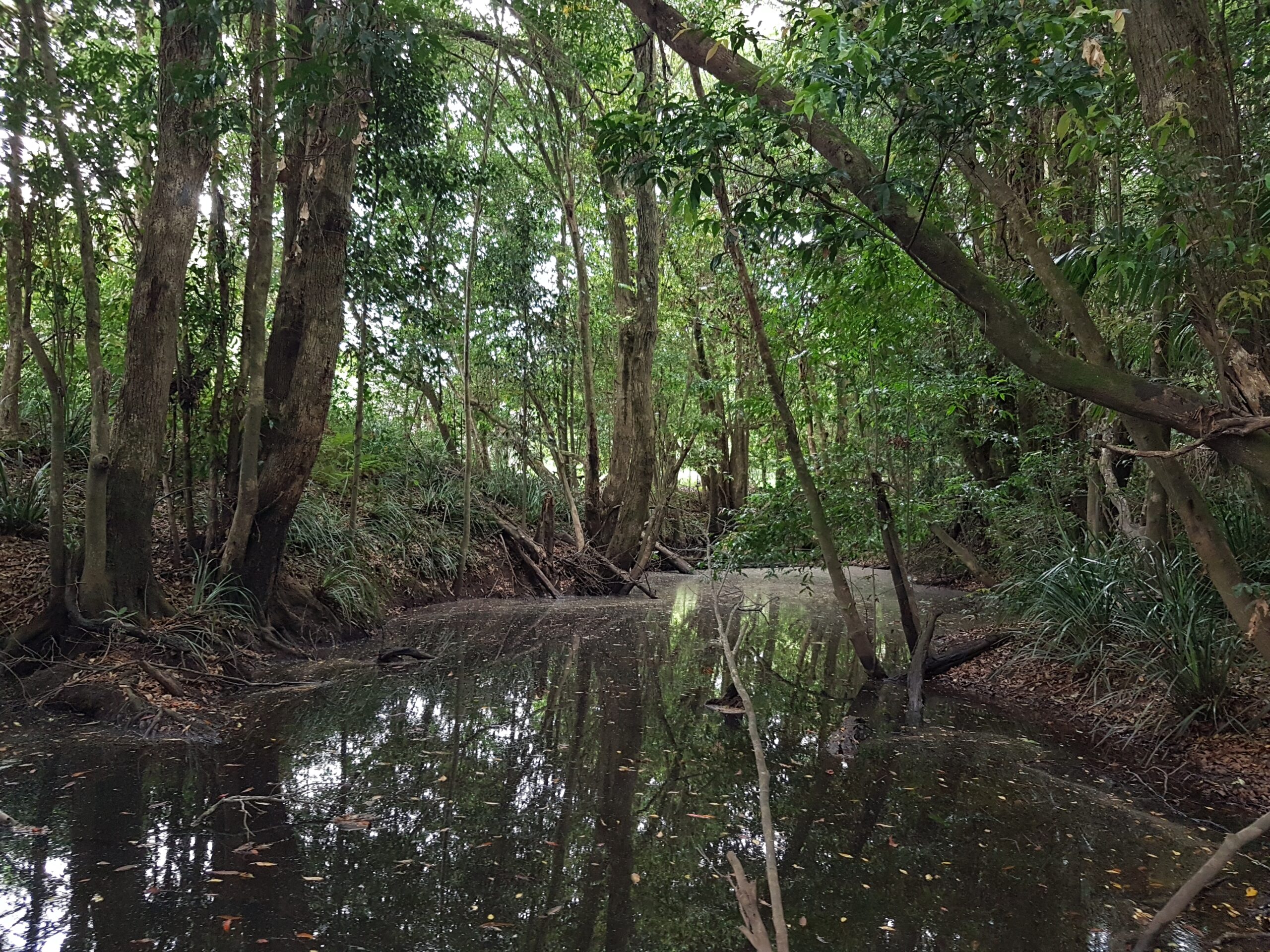
Become familiar of how your waterway behaves
To plan an effective restoration project, it’s essential to understand the specific characteristics of the waterway you’re working with, as well as the natural processes that influence its behaviour.
Visit our ‘Understanding catchment and river systems’ page to learn more.
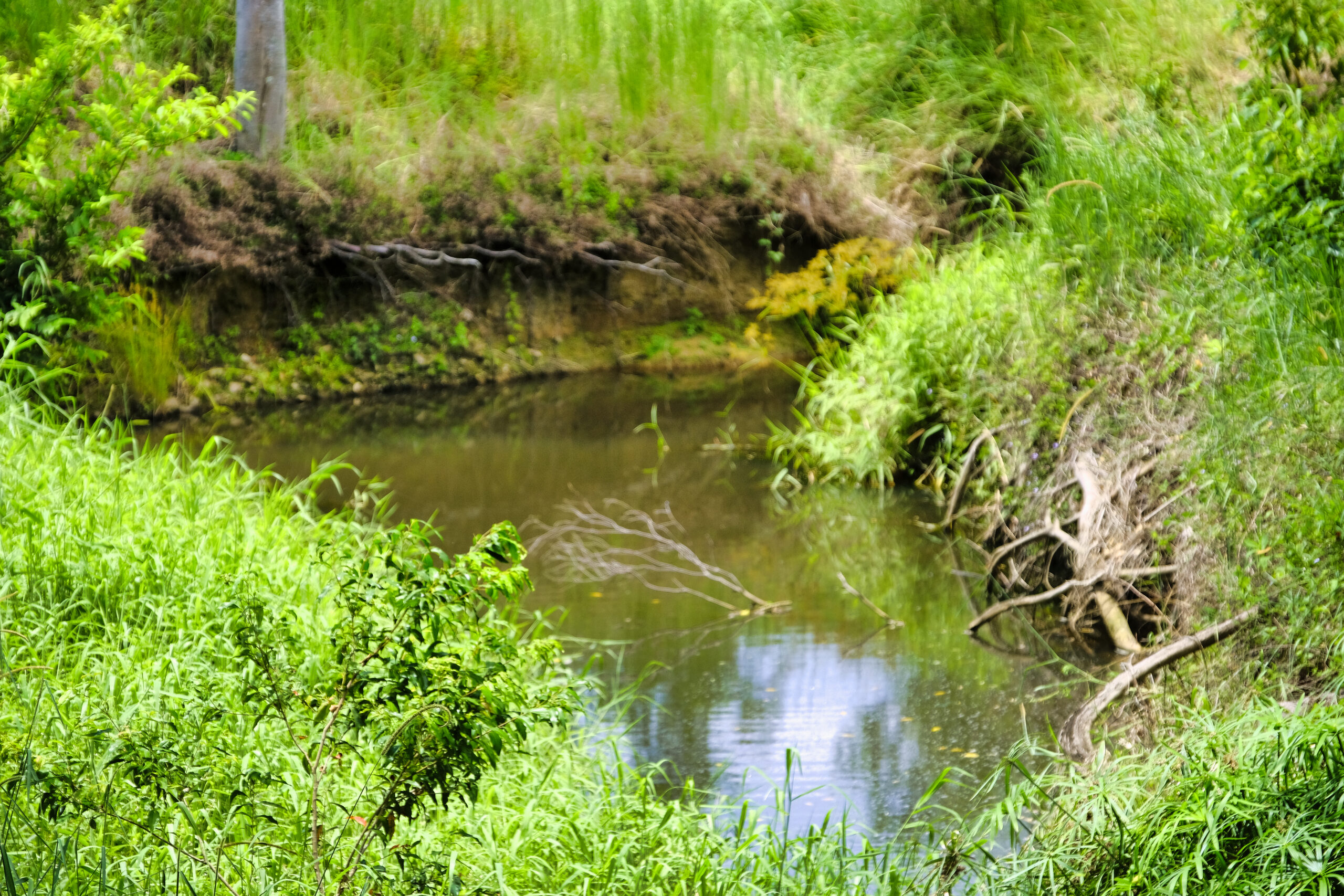
Erosion
Addressing stream stability issues before planting is essential for long-term success. Careful planning is key, and it’s recommended to seek advice from your Landcare, Catchment or Land for Wildlife group before starting major restoration works.
To learn more about erosion processes and management, visit our ‘Managing erosion on your block’ page.
When to plant or not to plant
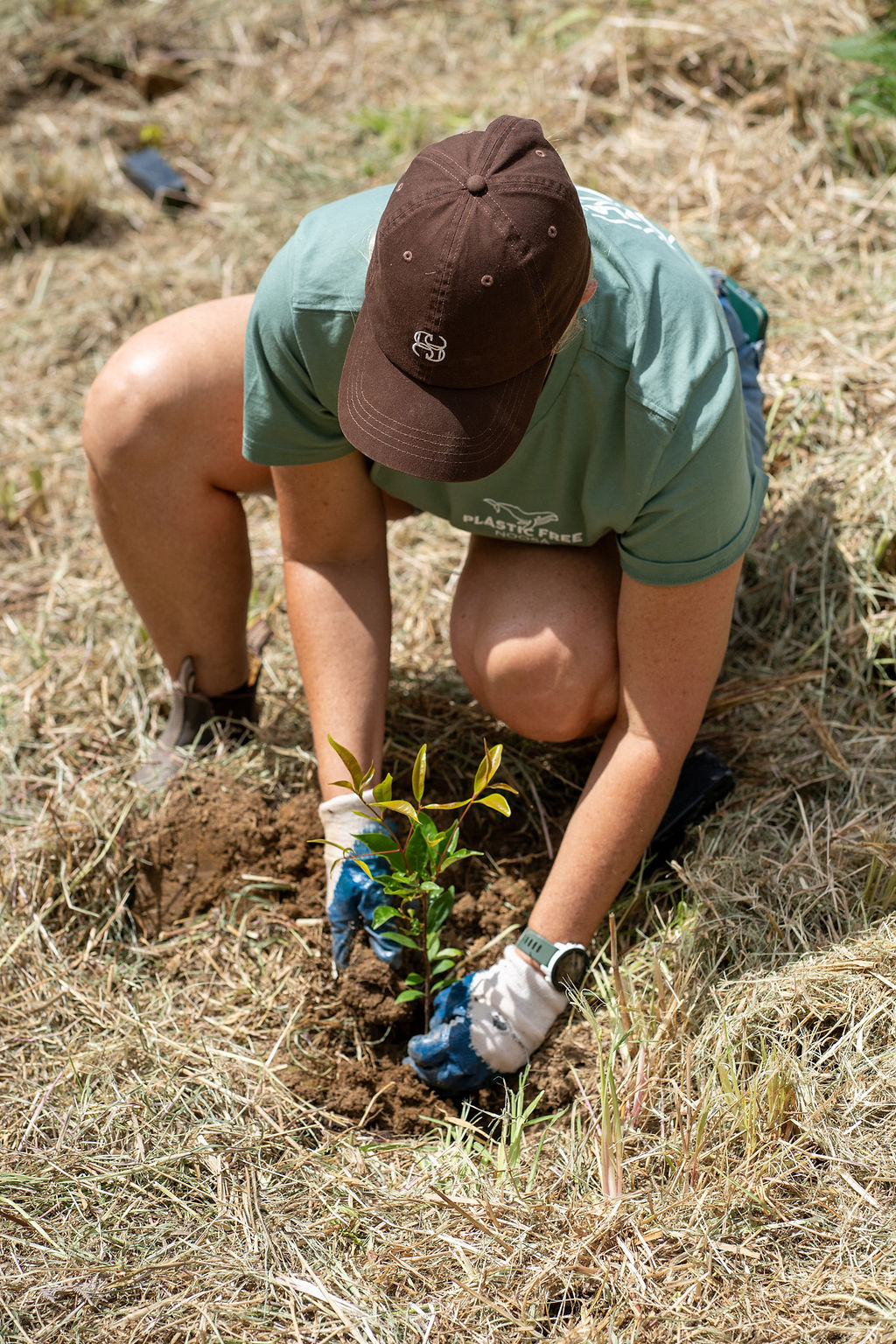
When planning a restoration project, it is important to ask: should you actively plant, or allow nature to take its course?
The answer depends on your site’s condition. If native vegetation is already present, consider whether it can regenerate on its own. To make an informed decision, assess which species are currently on site and their ability to self-seed or regenerate naturally.
Sites with a diverse mix of native trees, shrubs, and grasses, good canopy cover, and minimal threats (like grazing, or invasive weeds) often regenerate successfully without planting. In these cases, simple actions like fencing to exclude livestock and managing weeds may be all that’s needed.
If you’re unsure, it’s a good idea to seek advice from local Landcare and Catchment groups, or experienced restoration practitioners.
Head over to our ‘Ecological Restoration’ page for more information on restoration approaches.
Selecting the right native species
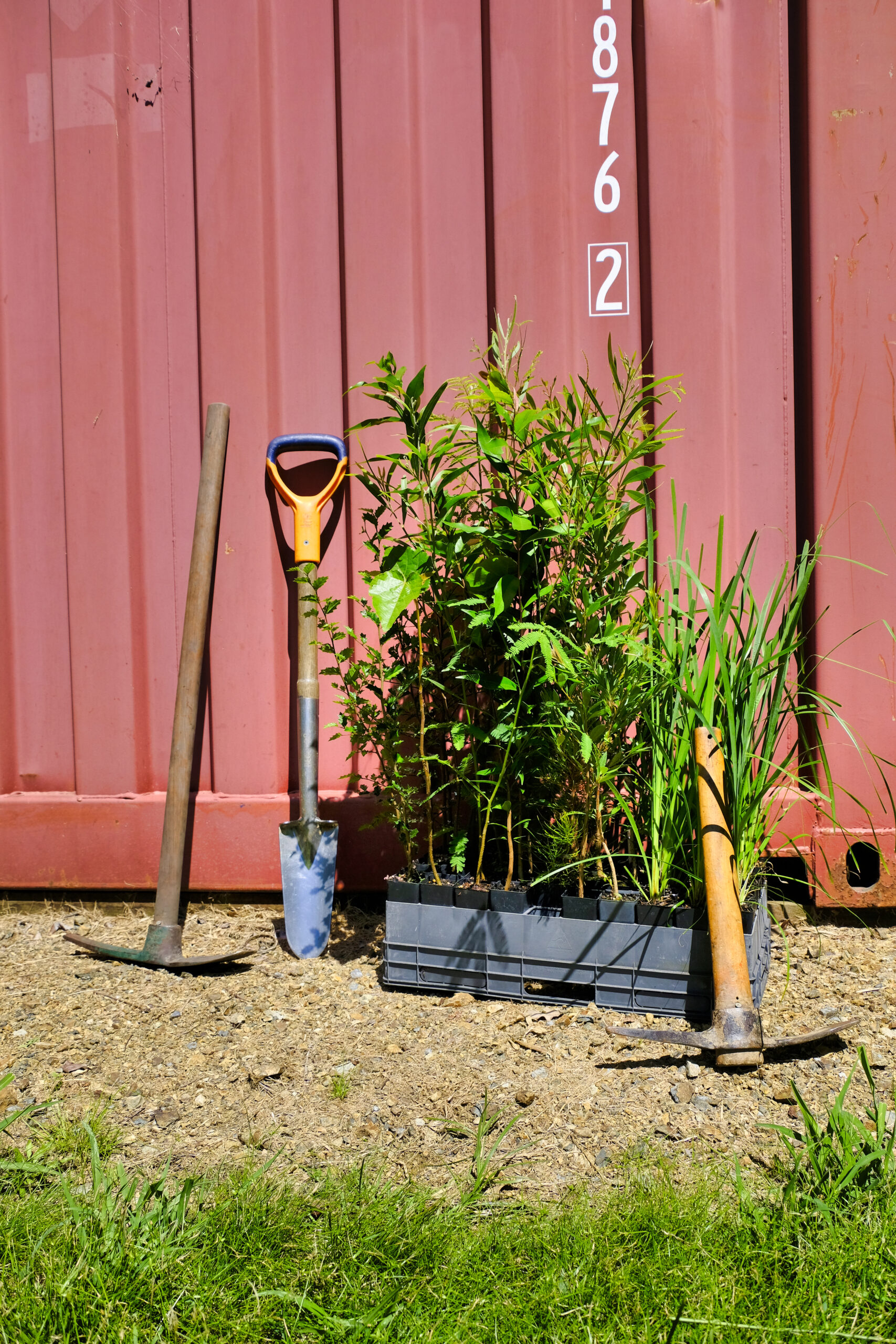
Selecting appropriate species is a vital step in any revegetation project. Riparian zones have structurally diverse mixed native plantings, with grasses, sedges, shrubs and trees forming complex layers of vegetation.
A big buffer is best
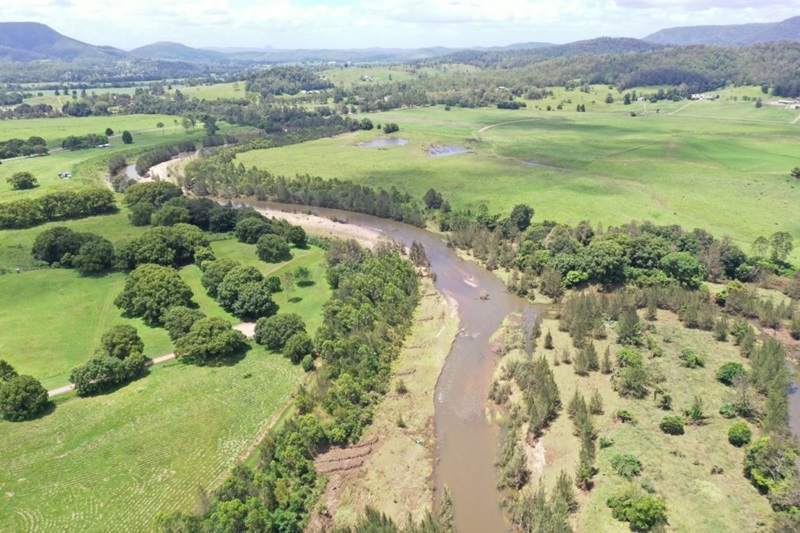
The appropriate width of a riparian buffer can vary depending on the size of the waterway, the steepness of its banks, and the extent of erosion. As a general guideline for bank stabilisation, riparian plantings should extend at least 5 meters from the bank crest onto the floodplain. Ideally, the total width should be calculated by adding the vertical height of the bank (from toe to crest) to this minimum 5-metre buffer. Where active erosion is occurring, you must factor in the erosion rate (av. meters/year). Use this ‘simple’ equation to help you work out your riparian buffer width:
Minimum width (5m) + Bank height + (Erosion rate X years for tree to reach maturity)
E.g. 5m + 10m + (0.5m X 20yrs is the average timeframe for tree maturity for root stabilisation)
= 25m riparian buffer from the bank crest.
Steep and high banks and bends of a waterway are more susceptible to erosion, and in such cases, a wider protective zone should be established or maintained. Where reducing sediment and nutrient runoff into the stream is also a goal, it’s recommended to include a grassed filter strip in addition to the riparian zone.
Manage livestock access
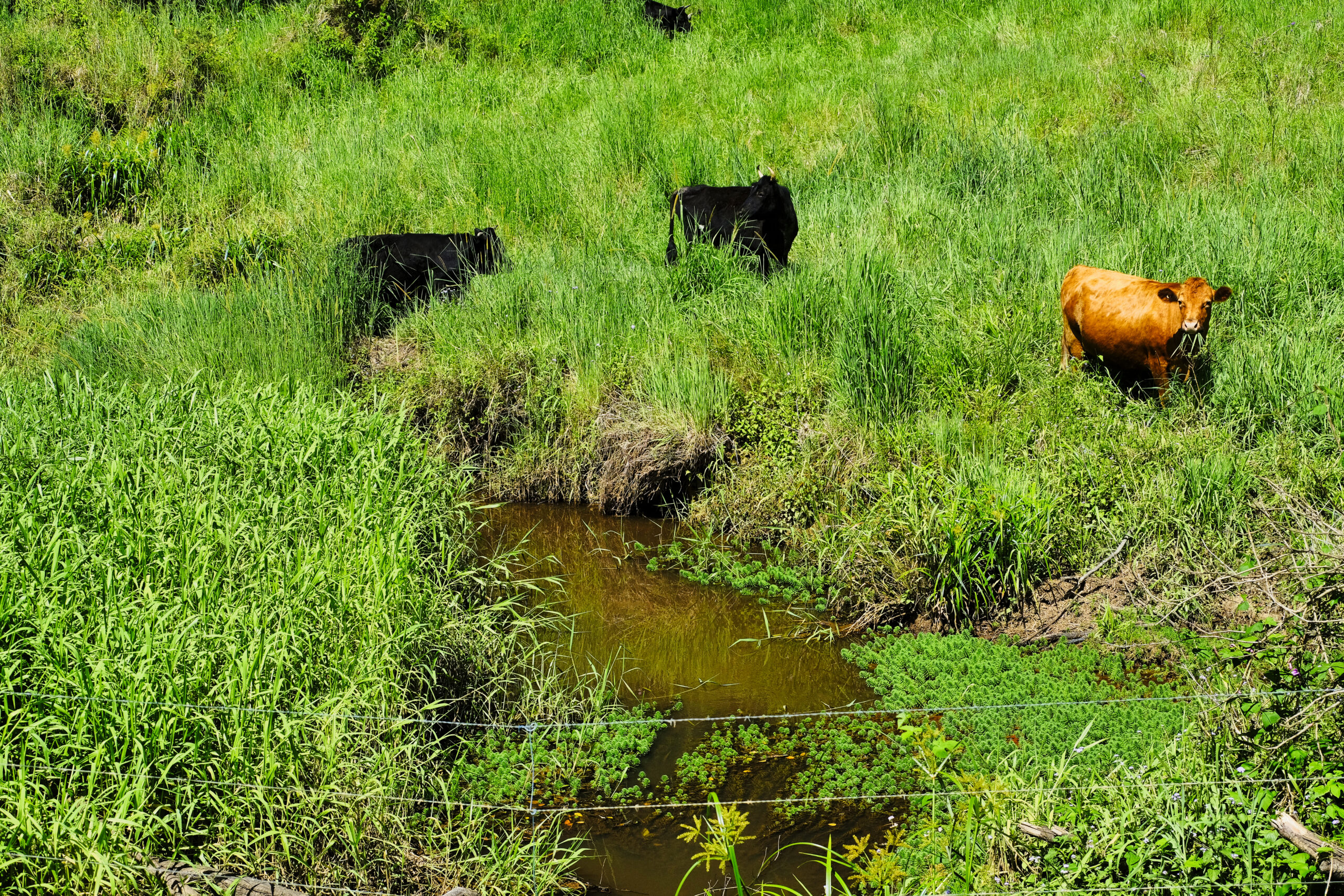
An important step in restoring riparian areas is fencing to exclude or manage stock access. Given that gliders and other species, such as bats, occupy these areas, it is important that wildlife friendly fencing is used to avoid their entanglement.
Best practice is to install fencing that permanently excludes or limits stock grazing, positioned above the high-water mark to avoid flood damage and set back from actively eroding areas, typically found on the outer bends of waterways.
Where it is not feasible to exclude grazing, fences can be installed beyond the immediate riparian area to create a riparian pasture or paddock, which can be carefully grazed as a part of a rotational grazing system. This requires careful management to ensure native vegetation and water quality is not negatively impacted by livestock grazing.
Installation of water trough system is essential to provide livestock clean, reliable and safe drinking water. These should be installed away from waterways and waterbodies where feasible, to allow for the concentration of nutrients and pathogens from faeces to be filtered through the pasture before entering the nearby waterway or farm dam.
Learn more about stock and waterways visit – Stock and Waterways – A practical guide to help New South Wales farmers manage stock and waterways for productivity and environmental benefits.
Tackling Tough Waterway Weeds
Riparian zones are often vulnerable to weed invasion, particularly with the influences of water flow transporting weed material and propagules. Riparian zones are also often narrow, where the high edge to area ratio makes it more susceptible to weed establishment.
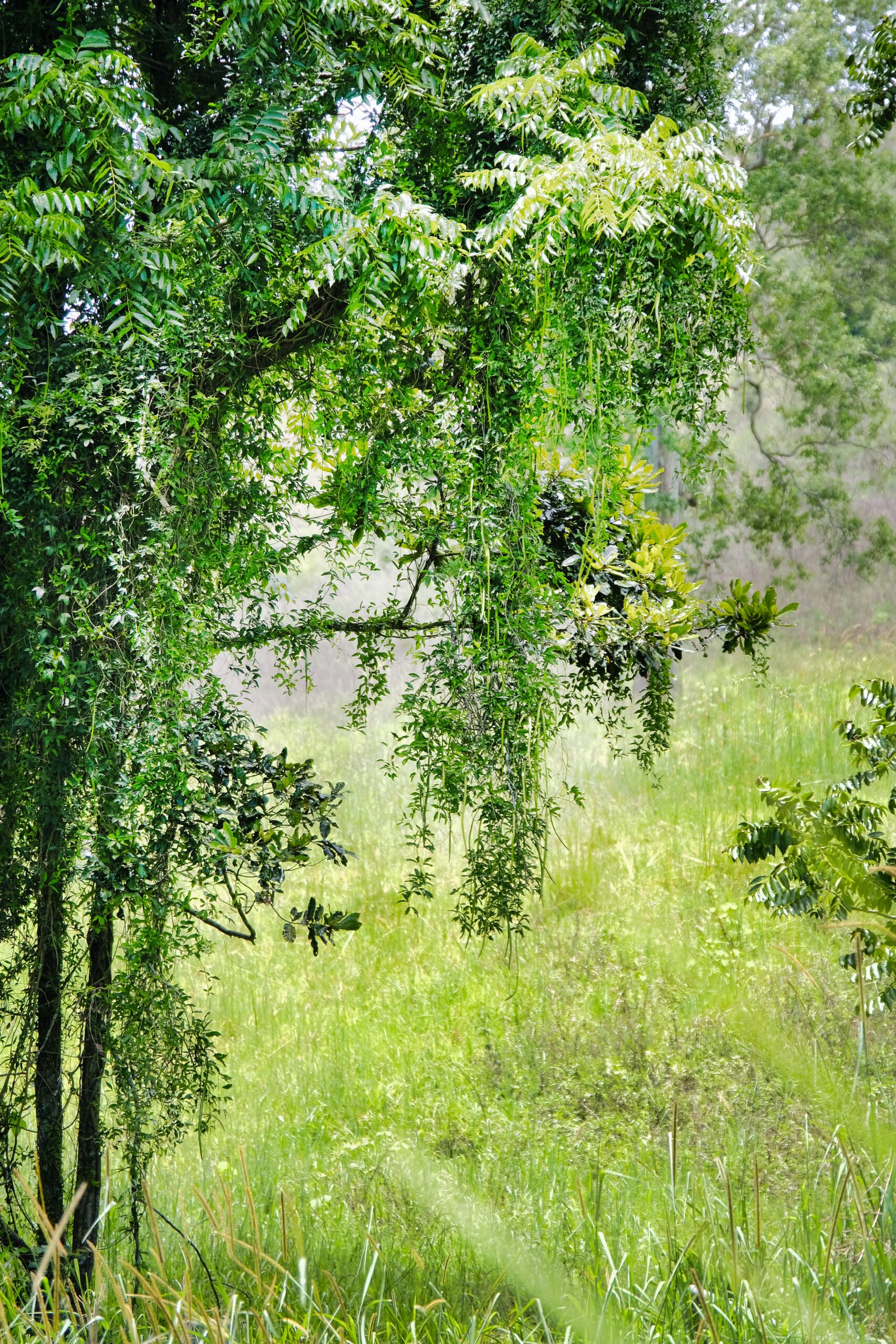
There are two priority weed species we actively target along our waterways to protect the integrity of the vegetation and bank stability. These are Cat’s Claw Creeper Vine (Dolichandra unguis-cati) and Madeira Vine (Anredera cordifolia). These vines are aggressive climbing vines, from South America, that climb and blanket trees, causing canopy collapse. They are known as ‘transformer’ weeds in recognition of their ability to transform entire vegetation communities.
Join our Cat’s Claw Creeper Crusade and help us slow down the spread and impact of these aggressive transformer weeds.
It important to note that weeds are a critical management problem but, in some instances, they can also contribute to bank stability – it is important to assess this for your context and plan your management approach to reduce your impact to bank stability when managing weed in the riparian zone.
🔗 Visit our Weeds Resource Page for detailed information on managing invasive species along waterways.